

History and Culture
Fish in coconut sauce is a Dominican dish that originated in our territory with Black immigrants, especially the freed Black people brought from the United States by Haitian President Boyer when he invaded the country in 1822, establishing colonies in Puerto Plata (San Marcos and Cabarete) and in Samaná, where the largest number of families settled.
The fish is cooked and coconut milk is prepared, which is then mixed with seasonings, becoming one of the country’s most iconic and exquisite dishes. There is a close link between enslaved Africans and coconut, since during the voyage to the Americas they ate the husk of dried coconuts, along with hardtack and chestnuts. In that sense, there is a bond of identity between the descendants of enslaved people and coconut.
In the Dominican Republic, fresh fish caught in the Caribbean Sea and coconut, the fruit of the island’s palm trees, come together harmoniously in Dominican kitchens, connected through seasonings and through the history of Black communities, who have contributed significantly to the country’s gastronomy.
This dish is so typical in Samaná that there is “Samaná-style fish with coconut.” Its inhabitants have historically combined creativity with the resources provided by land and sea to create this delicious dish, known even worldwide.
The Black immigrants who lived in this area brought with them a range of new culinary recipes that took root in the provinces where they settled and that today form part of Creole gastronomic culture. This culinary tradition is very distinctive, because many of its dishes are prepared with coconut, with fish in coconut sauce being one of the most recognized, despite its simple preparation, as we have noted in other parts of this work about different fish preparations.
This authentic recipe is made with fish, coconut milk, salt, garlic, oregano, and, optionally, tomato sauce. Almost no one can resist trying a delicious Samaná-style fish with coconut, and to accompany it, nothing beats white rice or moro de guandules, which on this peninsula are also often cooked with coconut.

Broad cilantro (Culantro)
1 sprig.
Cut into chiffonade.

Annatto seeds
60 ml
Optional. Can also be used in powder form.

Lemon juice
113 ml
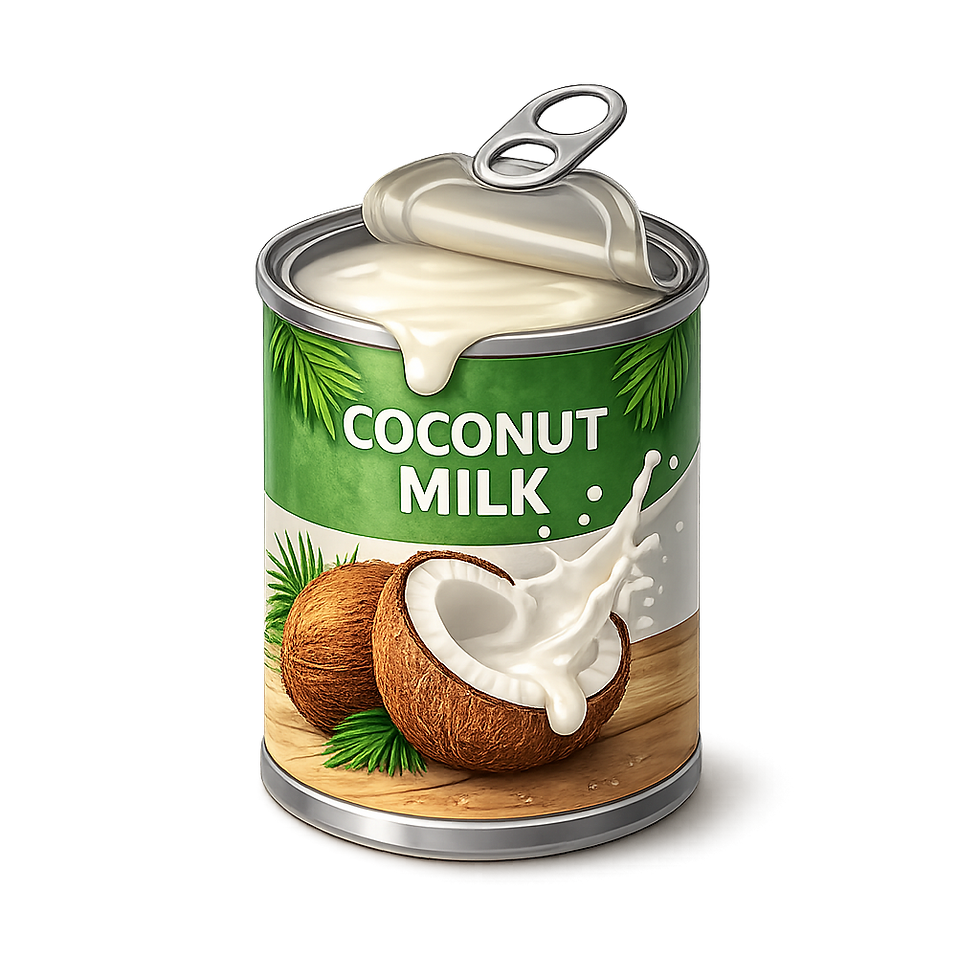
Coconut milk
400 ml
Canned or one dried coconut per pound of fish.

Pepper
¼ cdita.
Optional.

Tomato paste
56 g

Cubanelle chili
2 units

Red pepper
1 unt.

Cilantro
1 bunch.

Ground salt
1 tbsp.
Use a portion at the beginning; taste halfway through cooking and adjust if necessary.

Vegetable oil
60 ml

Oregano
1 cdita
Dried, roasted or ground.

Fish
2 kg
It can be whole, in fillets, or in slices.

White onion
-
-

Garlic
4 cloves.
Ingredients
Recipe and Preparation
PREPARATION
Gather all the ingredients and utensils needed.
Mash or crush the garlic.
Cut the onion and peppers into thin strips (julienne).
Finely chop the cilantro and reserve a sprig to garnish when serving.
WASH AND SEASON THE FISH
Clean and wash the fish.
If using whole fish, make diagonal cuts on both sides.
In a bowl, mix the oregano, lemon juice, and salt.
Add the fish and let it marinate in the refrigerator for 20 minutes so it absorbs the flavor.
COOK THE FISH
Transfer the fish to another bowl and let it drain for 15 minutes to remove excess moisture.
Season with garlic, salt, and annatto (optional), and set aside.
Infuse or sauté the remaining annatto in the oil to be used.
Heat the oil in a skillet over medium heat.
Add the garlic, peppers, and onion, and sauté until the onion starts to turn translucent.
Add the coconut milk, stir gently, and cook over low heat until the sauce reduces by half.
Alternative: You can add the raw fish directly with the other ingredients and cook it together in the sauce.
Taste the sauce and adjust salt if needed.
PLATING
Mold the rice with a ring in the center of the plate.
Place the fish on top in a decorative way.
Finish with a sprig of cilantro or other fresh garnish.
Where to eat this dish

AVOCADO Restaurant
Category
Lemon Time
Category
Pasteles La Abuela
Category
Pasteles La Abuela
Category
No establishments to show at the moment.
Comments
There are no comments yet...
-