

History and Culture
Up to now, historical evidence allows us to affirm that the French custom of eating “sugared little beans” was criollized after Independence and became the Dominican tradition of habichuelas con dulce. Until proven otherwise, they are a unique cultural product and authentically Dominican.
Habichuelas con dulce is also the only genuinely Dominican cultural product that, as a culinary banner, identifies us worldwide and should appear in the Guinness Book. Likewise, it is important to honor the memory of Delalande and his family; if the dish were to be given a name, it could be: “Monsieur Delalande’s Habichuelas con Dulce.”
The ingredients and preparation of habichuelas con dulce—red beans, sugar, coconut milk and cow’s milk, sweet potato, and various spices—show a synthesis of elements from different parts of the world: the Americas, Europe, Africa, and Asia. However, it is surprising that this dish does not appear in Spain, France, Germany, Italy, Portugal, or the Canary Islands. Nor is it found in Africa, where many of the cooks of the New World came from, whose influence is recorded through ingredients, dishes, and cooking techniques in Latin American cuisine.
The fact that it is neither a dessert nor a side dish, but rather a main course prepared for a special occasion such as Lent or Holy Week, makes it even more singular. Habichuelas con dulce is a national dish with regional variations: in the Cibao and the capital it is made with beans, while in the south they are replaced with fava beans.
In Cotui, both versions are prepared, and guandul con dulce is also added, also recorded in Yamasa. In the southwest of the country it is called “condolia,” a name of uncertain origin that could come from Creole or from the Latin condumio, a term that refers to a delicacy eaten alongside another (Corominas, 1997:165).
The dish has evolved along with social and technological changes. Before refrigeration systems, it was eaten in a single day, hot, with whole beans and pure cow’s milk. Modern times allow it to be refrigerated, make preparation easier by blending the ingredients, and add processed cow’s milk and coconut milk. Today, it is also sold canned and as an ice cream flavor.
The milk cookies that crown the dish are, in some places, replaced with cassava bread (casabe). Habichuelas con dulce is perhaps a dish exclusive to Dominican culture. Because of the constant processes of change, diffusion, and migration in the history of every people, few cultural products reach a level of exclusivity like that of habichuelas con dulce in the Dominican Republic.
One could say that, until proven otherwise, it is the only truly authentic Dominican thing we have; other cultural traits are shared with other peoples and nations.
Habichuelas con dulce are the product of a complex and dynamic cultural process that fuses culinary elements from different cultures. Preparing and enjoying this dish is savoring the homeland and the essence of Dominican culture: a unique Dominican dish, with ingredients from all over the world.

Cinnamon
3 splinters.

Cloves
8 units.

Allspice
8 grains
Optional.

Nutmeg
1/2 tsp.

Sweet potato
454 g
Also called sweet potato, camote, moniato, boniato or apichu.

Condensed milk
360 ml

Red beans
1 lb
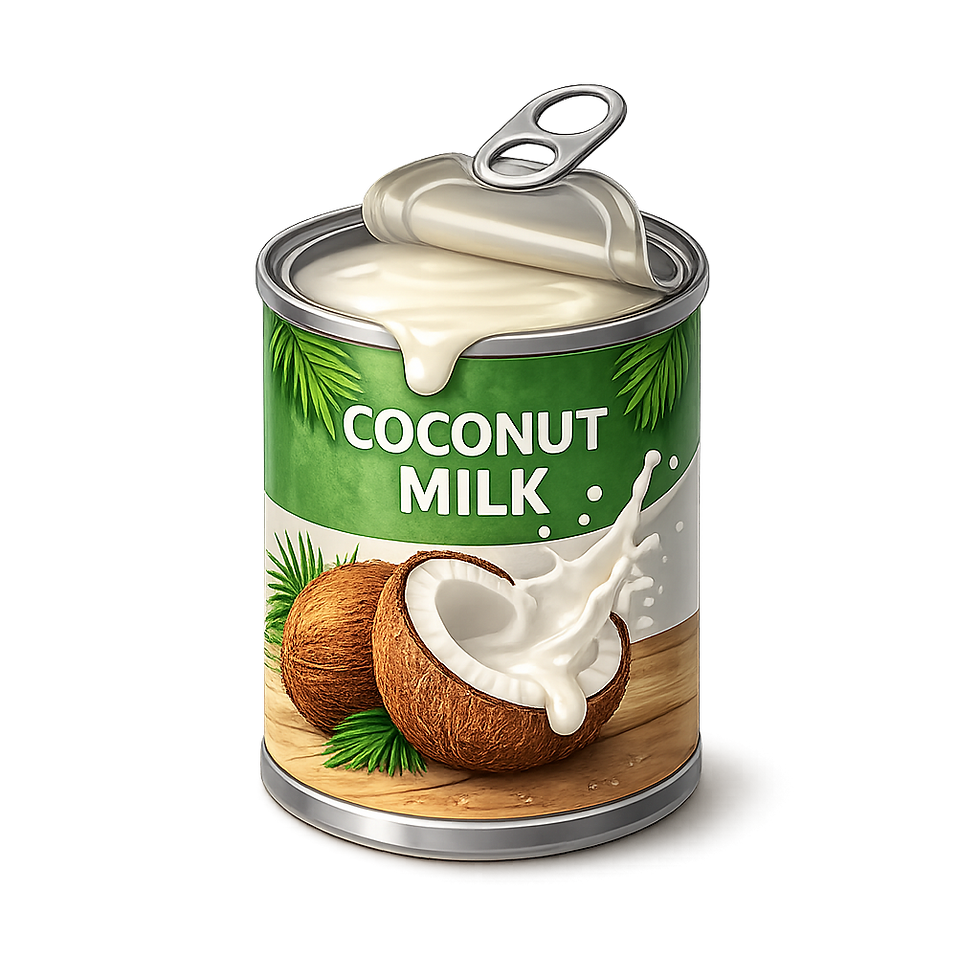
Coconut milk
360 ml

Raisins
113 g

Evaporated milk
600 ml
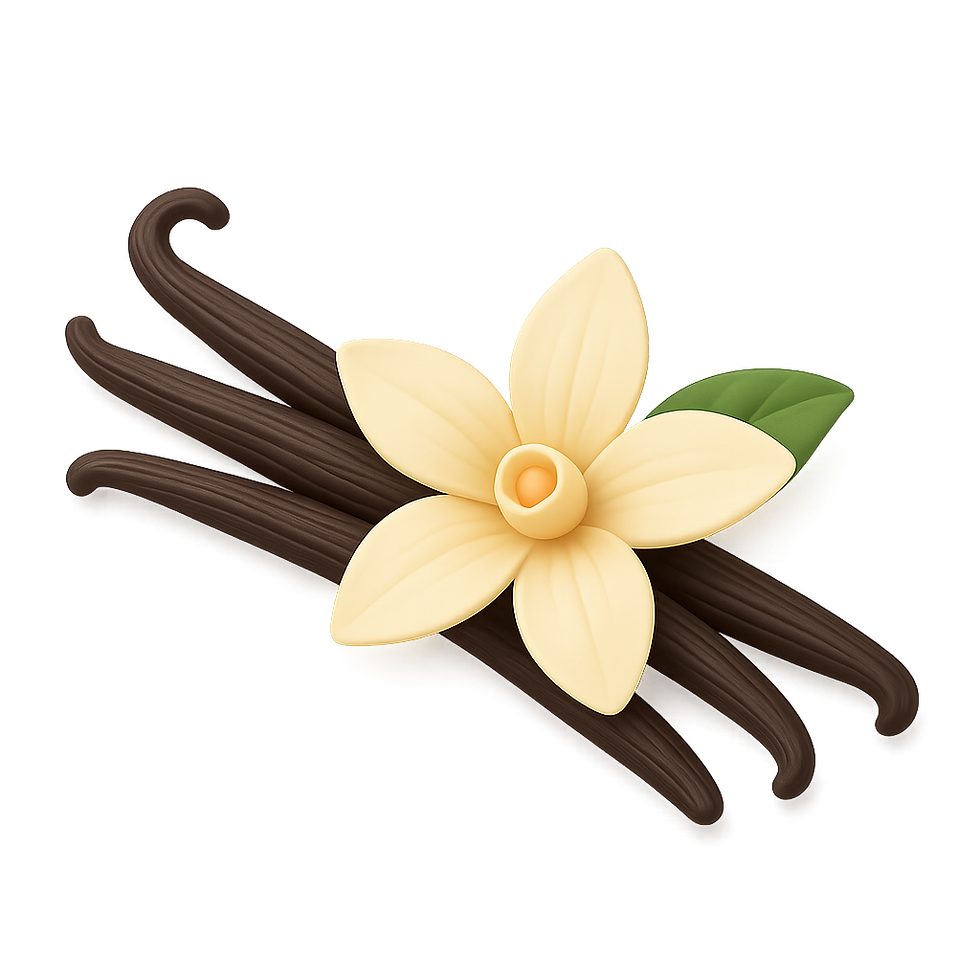
Vanilla
1 tbsp.
Liquid.

White sugar
250 g

Salt
½ cdita.
Ingredients
Recipe and Preparation
PREPARATION
Gather all the ingredients and utensils to use.
Peel the sweet potato and cut it into small pieces.
SOAK THE BEANS
If using dried beans, soak them for 2 to 4 hours, up to a maximum of 12 hours, so they do not lose their properties.
The amount of water for soaking should be three times the volume of the beans, since they expand as they hydrate.
This step reduces cooking time and makes preparation easier.
COOK THE BEANS
Replace the soaking water with clean water and boil the beans.
Once they are tender, remove from the heat and let them cool.
Blend the beans with some of the cooking water, strain, and pour into a deep pot.
PREPARE THE SWEET MIXTURE
Add the peeled and diced sweet potatoes along with the rest of the ingredients, except the raisins.
Cook over medium-low heat until it thickens and the sweet potatoes are tender, stirring constantly to prevent sticking to the bottom.
During cooking, adjust the heat between medium and low as needed to prevent overflow.
Let it cool for about one hour.
Serve chilled, or as preferred.
Where to eat this dish

AVOCADO Restaurant
Category
Lemon Time
Category
Pasteles La Abuela
Category
Pasteles La Abuela
Category
No establishments to show at the moment.
Comments
There are no comments yet...
-