
-Enhanced-NR.jpg)
History and Culture
Knowing what Professor Dagoberto Tejeda explains about goat and its connection to Creole culinary identity, as well as what he shares about stewed goat, we also want to contribute other ways to prepare this delicious dish. Beyond its deep roots in the Northwest Line, goat is widely enjoyed as an emblematic dish in several provinces in the southern region of the country, such as San Juan and Elias Piña.
Stewed goat is the perfect companion to the flavorful southern chenchén. Likewise, goat is part of the ritual dishes prepared for the mysteries in Dominican popular religiosity.
Among the different ways to prepare it, stuffed baked goat and baked goat with coconut stand out, preparations that include must-have ingredients such as sour orange juice, oregano, onion, garlic, pepper, salt, red wine, peppers, cilantro, and tomatoes.
There are also exquisite recipes, though less common, such as goat with herbs and spices, which includes bell peppers, cilantro, garlic, onion, and soy sauce. The baked version stuffed with moro de habichuelas negras (rice with black beans) is typical in some areas of the Cibao during the Christmas season.
In the case of Provençal-style goat, of French origin, the meat is marinated for twelve hours with wine and herbs, then cooked in the same liquid. This technique, notes Dominican chef Odalís Rodríguez, makes cooking easier thanks to the effect of the marinade.
For stuffed baked goat, a preferably young goat is used, served with moro de habichuelas negras and dried fruits. The meat is seasoned, stuffed, and baked for four or five hours, achieving a tender texture and deep flavor.
The combination of flavors in coconut-baked goat is not very traditional, but it is highly appreciated in the culinary world. It is a simple recipe whose aroma and presentation invite you to keep eating until nothing is left.

Broad cilantro (Culantro)
-
-

Ron
-
-

Thyme
-
-

Goat meat
-
-
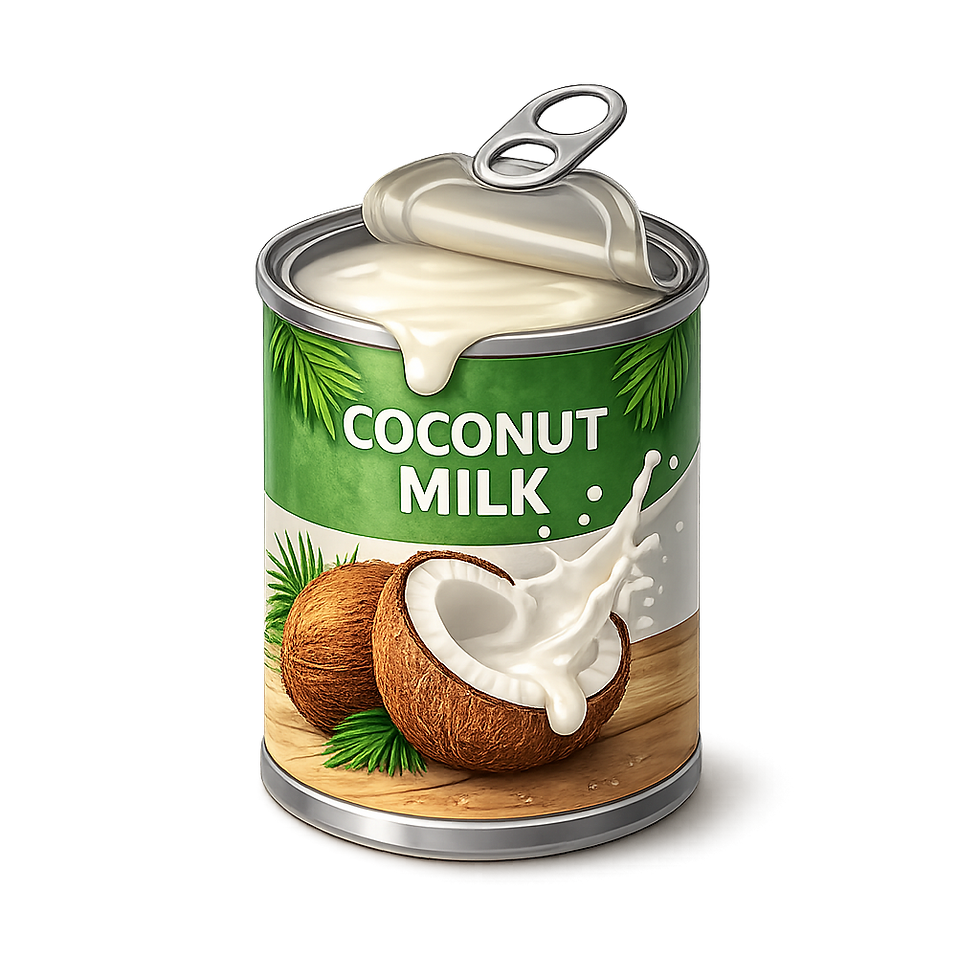
Coconut milk
-
-

Pepper
-
-

Tomato paste
-
-

Bungalu tomato
-
-

Cubanelle chili
-
-

Bitter orange
-
-

Tasty Chili
-
-

Sour orange
-
-

Ground oregano
-
-

Cilantro
-
-

Red onion
-
-

Coffee
-
-

White sugar
-
-

Salt
-
-

Garlic
-
-
Ingredients
Recipe and Preparation
PREPARATION
Gather all the necessary ingredients and utensils.
Mash or crush the garlic and the aji gustoso.
Slice the cilantro into chiffonade, and cut the onion and aji cubanela into thin julienne strips.
WASH AND SEASON THE GOAT
Cut the goat into pieces of about 2 inches (5 cm).
Wash the meat with water and half of the sour orange juice. Rinse well, drain, and set aside. (Optional: wash with brewed black coffee.)
In a bowl, season the goat with part of the salt and all the other seasonings.
Marinate for 2 hours or more; the longer, the better for the flavors to blend.
COOK THE GOAT
Heat a caldero over medium heat, add the oil and sugar, and let it caramelize.
Drain each piece of meat and add it to the caldero one by one, reserving the marinade. Brown the meat on both sides.
Add the rum carefully (it may flame), stir, and let the alcohol evaporate.
The meat will release some liquid as it heats; let it cook and stir until all the liquid has evaporated and the meat is browned.
Dissolve the tomato paste in half a cup of water, add it to the caldero, and mix well to sauté.
Add the reserved marinade with the vegetables from the meat.
Add part of the coconut milk. Lower the heat to medium, cover, and cook until the meat is tender. (Time depends on stove power, the caldero material, and the cut of meat.)
Add the remaining coconut milk little by little as the sauce reduces, to maintain the desired consistency.
Stir and check frequently during cooking. Taste and adjust salt if needed.
When the meat is tender and the sauce is well combined, remove from heat and serve.
Where to eat this dish

AVOCADO Restaurant
Category
Lemon Time
Category
Pasteles La Abuela
Category
Pasteles La Abuela
Category
No establishments to show at the moment.
Comments
There are no comments yet...
-