

History and Culture
Sweet corn arepa, like the savory version, has its origins in the cuisine of Canarian immigrants who arrived in our territory between the late 17th and 18th centuries, during Spanish colonization. These immigrants founded more than twenty towns, contributing an important cultural and gastronomic heritage to the country.
Although corn is of American origin, the Canarians adopted it as a fundamental staple of their diet, with arepa being one of their main dishes. Today, it is a basic food at breakfast and dinner for large segments of the Dominican population, especially among the lower-middle and lower classes. It is generally served with hot chocolate, coffee, or natural juices. In addition, it has become a means of livelihood for many families, with selling points in communities such as Bayacanes and traditional businesses along the La Vega–Jarabacoa highway.
In the Dominican Republic, arepa is different from the thick tortilla served stuffed with meat, cheese, or vegetables, common in Venezuela and Colombia. The Dominican version is more like a sweet cake, made with cornmeal, which our grandmothers traditionally prepared in the house patio over a three-stone fire, in an iron caldero or paila, covered with a metal lid and with hot coals placed on top. From this practice comes the well-known Dominican phrase: “Like the arepa, with fire on top and fire underneath,” which symbolizes being in a difficult situation or “caught in crossfire,” as Clara Gonzalez from cocinadominicana.com notes.
With modernization, the custom of making arepa over a fire pit or anafe has declined, although it still persists in rural areas. Today it is made mainly on domestic or industrial stoves, and some people use butter-greased molds to brown it in the oven after cooking it first on the stove.
Arepa holds a prominent place in Dominican popular and culinary culture. Every year, in November, the Arepa Festival is held in the historic park of the San Carlos neighborhood in the capital, where many Canarian families settled. Arepa is considered an emblem of the people of San Carlos, historically also known as the “areperos” or “San Carlos Arepas.”

Cinnamon
6 splinters.
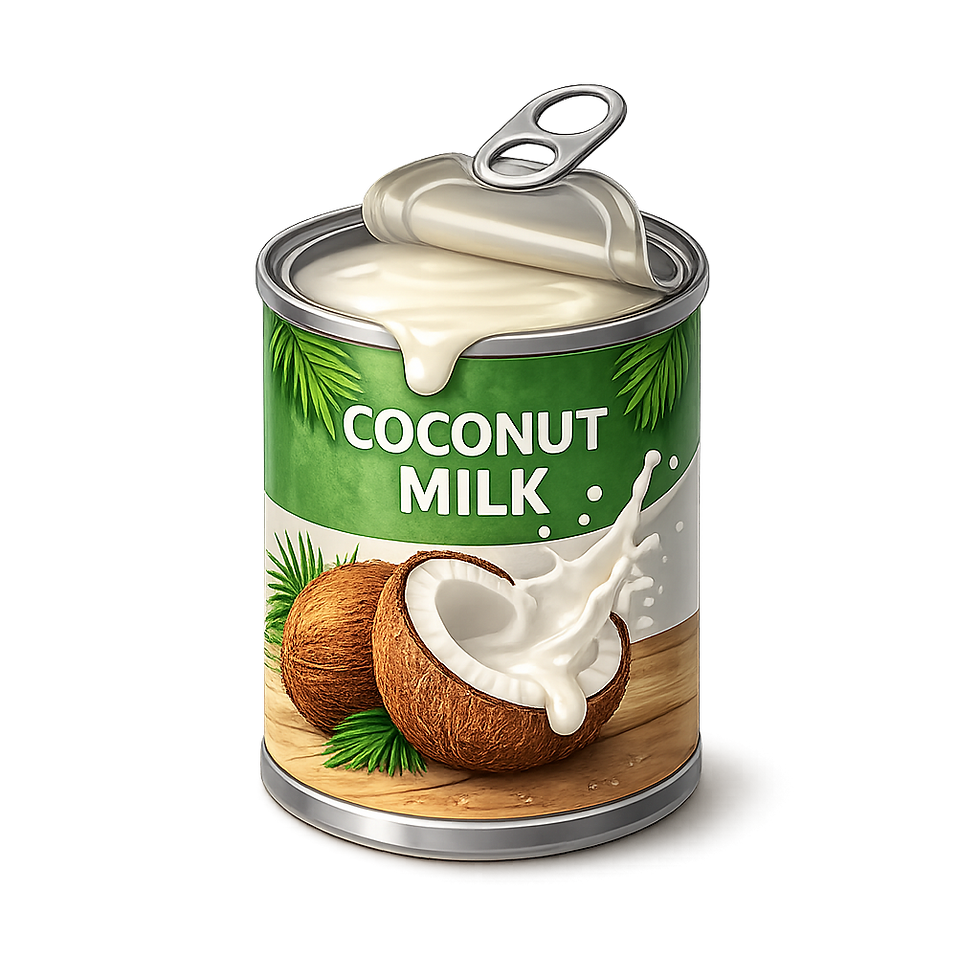
Coconut milk
360 ml
Fresh or canned.

Raisins
28 g

Evaporated milk
360 ml
Whole milk
1 Liter

Cornmeal
1 lb

White sugar
300 g

Salt
-
-
Ingredients
Recipe and Preparation
PREPARATION
Gather all the necessary ingredients and utensils.
Preheat the oven to 180°C (356°F).
PREPARE THE AREPA
In a caldero, add all the ingredients and mix well until fully combined.
Cook over medium heat (100°C / 212°F) for 15 to 20 minutes, stirring constantly to prevent sticking or lumps, until you get a creamy consistency.
Remove from the heat and pour the mixture into a greased baking pan lined with parchment paper.
Bake for about 45 to 60 minutes, until golden.
Remove from the oven and let it cool for at least 1 hour; it should be completely cool so you can unmold and slice it without issues.
Where to eat this dish

AVOCADO Restaurant
Category
Lemon Time
Category
Pasteles La Abuela
Category
Pasteles La Abuela
Category
No establishments to show at the moment.
Comments
There are no comments yet...
-